Texas spends around $90 billion a year on commercial building, more than any other state in the US. To get started properly when planning a new facility or development, you need trustworthy commercial excavation services. Any project starts with site preparation. Errors made now could ultimately result in expensive delays, structural challenges, or safety concerns. What to anticipate while using commercial excavating services in Texas is explained in this guide.
Commercial excavation services cover all the heavy civil work needed to make raw land ready for construction. This falls under construction site work, which includes clearing, grading, and preparing sites for roads, utilities, buildings, and parking areas.
A commercial excavation contractor handles:
Unlike residential projects, commercial work involves larger-scale grading and excavation with heavy machinery. It must meet stricter engineering specs.
Your excavation team should evaluate the site before digging. They'll review site plans and geotechnical reports. They'll mark excavation areas and locate underground utilities. A quality contractor develops a detailed plan for your project's specific needs.
Detailed excavation refers to precision digging in smaller, defined areas. It creates exact trenches, footings, and foundations. This level of precision uses laser leveling or GPS-guided equipment. It's what separates professional work from basic dirt moving.

Any reputable commercial excavation services provider guides you through crucial pre-construction steps.
Texas law requires contacting the 811 "Call Before You Dig" line at least two business days before excavation. This lets utility companies mark underground pipes and cables. Your contractor should handle this notification. It's a legal requirement and safety must.
Your contractor should also manage:
In Texas, any site disturbing one acre or more needs a stormwater permit. Plans for silt fences and erosion barriers must be in place before work starts.
Top contractors perform or review site surveys and soil tests. This helps them anticipate how the ground will behave.
Texas has expansive clay soils that need special attention. The Dallas–Fort Worth region sits on clay-rich soil that swells when wet and shrinks during drought. This puts stress on foundations. An experienced crew plans for these conditions rather than finding surprises after digging starts.
Excavation ranks among the most dangerous construction activities. Professional commercial excavation services make safety a top priority.
OSHA launched a "zero tolerance" program for unsafe trenches. Thanks to intensified oversight, OSHA investigated just 12 trenching fatalities in 2024. That's down from 39 two years prior.
Expect your excavation team to:
A contractor with a strong safety record prevents accidents, delays, and liability for your business.
Beyond safety, contractors must ensure work meets local building codes and engineering specs. They coordinate required inspections and maintain environmental compliance. In Texas, controlling runoff and maintaining drainage are absolute musts.
Construction site work starts as soon as permits and planning are finalized. These crucial stages are commonly included in commercial excavation services:
1Demolition and Clearing
Any obstacles are removed in the first step.
2Bulk Earthwork and Rough Grading
Heavy equipment reshapes the terrain according to the site plan.
3Detailed Excavation for Foundations and Utilities
Crews carry out detailed excavation in designated areas following preliminary grading.
4Features of Drainage and Backfilling
Drainage infrastructure is handled by reputable companies.
5Compaction and Soil Stabilization
The ground must be properly compacted as each segment is completed.
Any obstacles are removed in the first step. Trees, brush, and old structures are cleared by contractors. Remaining buildings or old pavement are dismantled and removed. This makes the ground ready for excavation and grading.
Heavy equipment reshapes the terrain according to the site plan. This establishes the general elevation and slope. The goal is to achieve design grades while ensuring proper drainage.
Even small grading errors can cause water to pool near foundations. Experienced excavators maintain a gentle slope away from building foundations. This channels rainwater away and prevents future flooding.
Crews carry out detailed excavation in designated areas following preliminary grading. This comprises:
Contractors adhere according to engineering specifications. With exact alignment, trenches and footing holes are excavated to the necessary depth and width. Hydro-excavation may be used by modern utilities to prevent damage to delicate utility lines.
Drainage infrastructure is handled by reputable companies. This entails constructing retention ponds, swales, and culverts or drainpipes.
Because of the heavy rainfall in Texas, managing stormwater is essential. When necessary, contractors set up sediment traps, catch basins, or french drains. After utilities are installed and inspected, trenches are carefully backfilled with the right amount of compaction.
The ground must be properly compacted as each segment is completed. This uses rollers, tampers, or other equipment to densify soil.
In cases of weak or expansive soils, contractors may treat soil with lime or cement. These techniques are common in Texas when dealing with clay-rich soils. Without adequate stabilization, buildings can settle unevenly over time.
Doing business in Texas brings unique factors your commercial excavation services contractor should know.
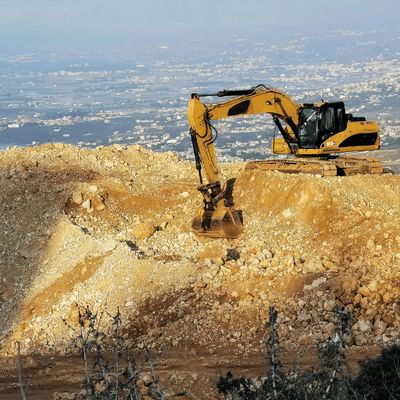
Large parts of Texas have expansive clay soils needing special attention. The dramatic wet-and-dry climate causes soil to heave and settle.
A knowledgeable Texas excavation company will:
Texas also has rocky limestone in the Hill Country and caliche soils in the west. Your contractor should have the right equipment if hard rock excavation is needed.
Many fast-growing Texas cities have their own ordinances on site work. These include tree preservation rules and requirements for work in floodplain areas.
Texas holds contractors accountable for quality. The state has a 10-year statute of repose on commercial construction. This means major defects can lead to liability for up to a decade.
Texas is experiencing rapid growth with extensive underground infrastructure. From oil and gas pipelines to fiber optic cables, the ground is often congested.
Expect your excavation service to conduct thorough utility locating. Many use ground-penetrating radar for extra caution in commercial areas. Top contractors here use modern equipment like GPS-controlled graders and drones for surveying.
Bulk excavation reshapes the overall terrain with mass earthmoving and rough grading. Detailed excavation involves precision digging for specific features like trenches, footings, and foundations to exact specifications.
The size, intricacy, and soil characteristics of the site all affect how long a project takes. Larger projects can take several months, whereas a basic site might take one to two weeks. A thorough timeline should be supplied by your contractor.
Permits are necessary for the majority of commercial undertakings. A stormwater permit and SWPPP are required for sites that disturb one acre or more. Permit coordination should be left to your contractor.
This risk is reduced by calling 811 prior to digging. Repairs are usually covered by the contractor's insurance if damage happens in spite of appropriate safeguards. For this reason, it is essential to hire insured professionals.
Expansive clay soils and rocky areas may require additional work like soil stabilization or special equipment. A quality contractor identifies these needs during site evaluation and provides accurate cost estimates.
Look for extensive local experience, proper licensing and insurance, modern well-maintained equipment, and a strong safety record. Ask for references from similar commercial projects.
Commercial excavation services are far more than just digging holes. The right contractor ensures your project starts on solid ground with proper planning, safety compliance, and precise execution. When done correctly, site preparation sets your project up for on-time, on-budget construction and long-term structural stability.
Investing in quality commercial excavation services pays off by preventing foundation problems, drainage issues, and regulatory headaches down the road. With Texas continuing to thrive economically, having the right excavation partner means your construction project can move forward with confidence.
Ready to start your commercial excavation project? Contact us today for a free consultation and quote. Our experienced team brings local Texas expertise, modern equipment, and a proven track record of successful site preparation. Let us help you build your project on a strong foundation.