Construction site preparation is the work that makes land safe, stable, and build-ready before crews arrive. Good site preparation in construction includes land clearing and site preparation, grading, drainage planning, soil checks, and utility marking. It works for commercial site preparation, rural builds, and large-scale projects.
So, you're considering a project on your rural property or planning a large-scale build and want to understand site preparation before work begins. This guide to construction site prep covers what to plan for, what it includes, and how to keep your project on track from day one.
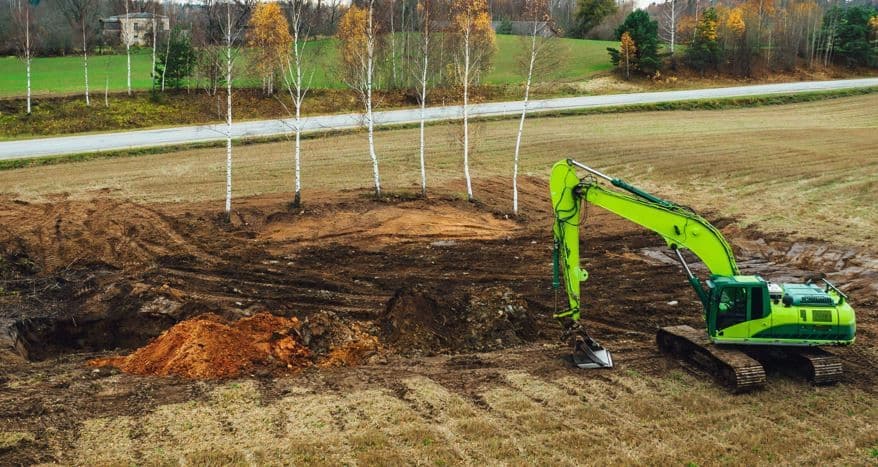
Maybe you need dirt or gravel road construction, a bridge, fence line work, or ground preparation for a new structure. You might also be planning a stock pond or lake excavation. No matter the goal, strong site preparation in construction helps you avoid delays, drainage problems, and costly rework.
Just as important, commercial site preparation often needs a wider work zone, heavier equipment access, and clear staging areas. That is why the construction site preparation process should be planned early, not after materials arrive.
Site preparation can apply to water sites, grading and drainage designs, roadways, demolition, and land clearing and site preparation for new construction. A good construction site prep plan looks at the full work area, not just the exact spot where the structure will sit.
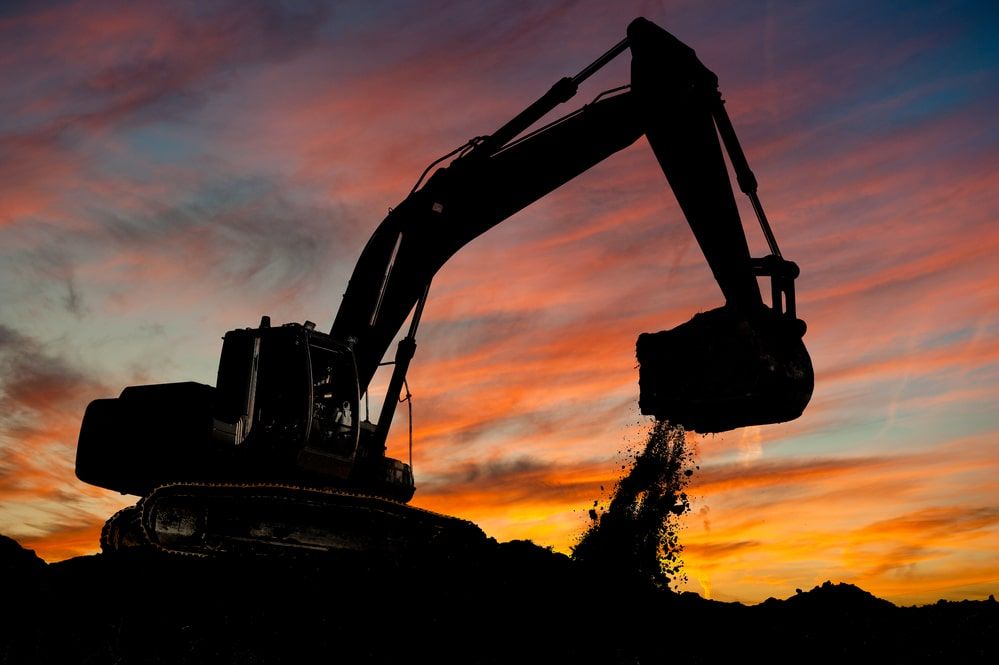
Excavation brings a wide range of equipment to the worksite, from front-end loaders to earthmovers. This supports jobs of all types, from gravel driveways to barn foundations, and even commercial site preparation for larger developments.
The goal is simple: safe access, stable ground, and a site that is ready for the next phase of construction.
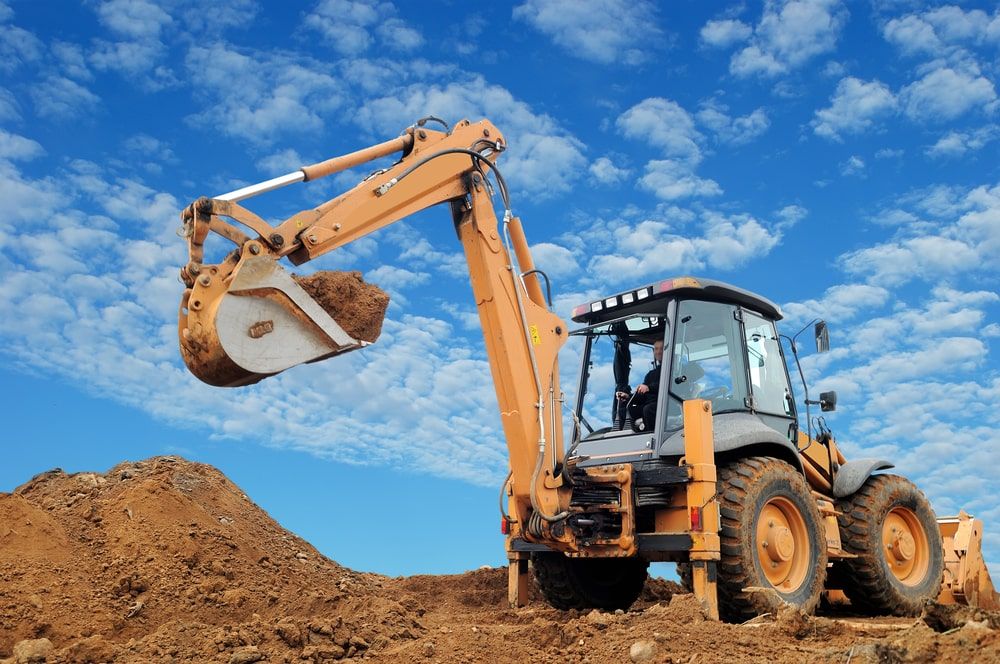
A solid site preparation plan starts with clear goals and a site walk. Before any work begins, you’ll want to answer a few key questions:
If you are working with professional site preparation contractors, you should expect direct answers, realistic timelines, and a clear scope. The right team will help confirm feasibility, flag risks early, and plan the work so your land is truly build-ready.
You may be wondering, “How important is site preparation? What does it include?” It is the critical first step for any build, whether it involves a structure or is a land-only project. Once the build area is chosen, the ground must reach a workable condition before construction can get underway.
When you look at the most important parts of site preparation in construction, several of the categories below will apply to your project, whether it’s rural, residential, or commercial site preparation.
What is the condition of the selected area for new development? Is it free of obstacles so crews can safely get underway?
Land clearing and site preparation can include brush removal, heavy vegetation clearing, tree and stump removal, mulching or grinding, brush grubbing, hauling debris, and removing large rocks or boulders.
Satisfactory clearing makes the site safer, improves access, and supports proper grading work later. Fence installation and fence row maintenance are common examples where land clearing and site preparation come first.
Do you have existing structures that need removal before the next phase begins?
If so, planning should include identifying items to salvage before demolition starts. This might include doors, windows, lumber, brick, stone masonry, lighting fixtures, signs, or gate hardware.
As demolition continues, the work often includes hauling debris for proper disposal, then land levelling or filling to restore a workable surface. Safety matters throughout the full demolition phase to protect workers, adjoining property, and nearby vegetation.
How can you keep the look of the land you like while still meeting build requirements?
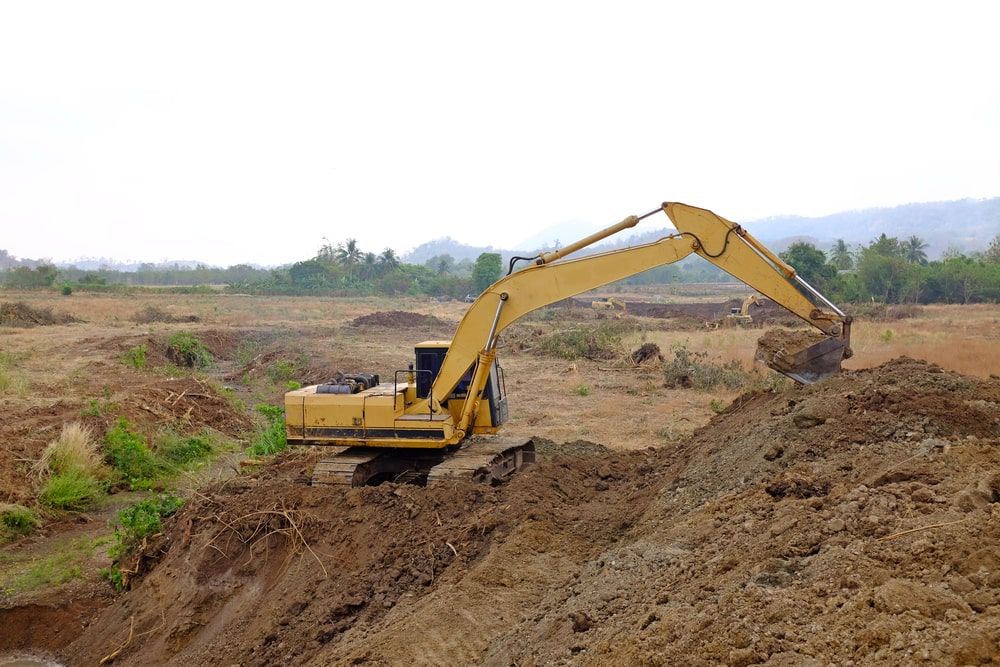
This part of site preparation focuses on slope control and shaping the land to fit the plan. The benefits of proper elevating, levelling, and filling include better drainage, reduced flooding risk, and less erosion.
This work is done through careful land grading, which may include culvert grading and drainage pipe installation. In many cases, construction site prep goes smoother when terrain work is planned alongside drainage from the start.
Soil quality plays a big role in long-term stability.
During site preparation in construction, a visual inspection can help determine whether soil is suitable for your build, driveway base, or road work. If soil needs improvement, the process may include excavation and hauling of unsuitable material, followed by bringing in new dirt, sand, or stone for proper pad preparation.
Filling typically includes grading, levelling, and compacting to meet the needs of the planned structure.
Utilities can be one of the biggest safety risks during site preparation.
Above-ground and underground utilities may include power poles, junction boxes, gas lines, water lines, conduits, and cable. Safe digging depends on clear utility marking and communication before equipment moves in.
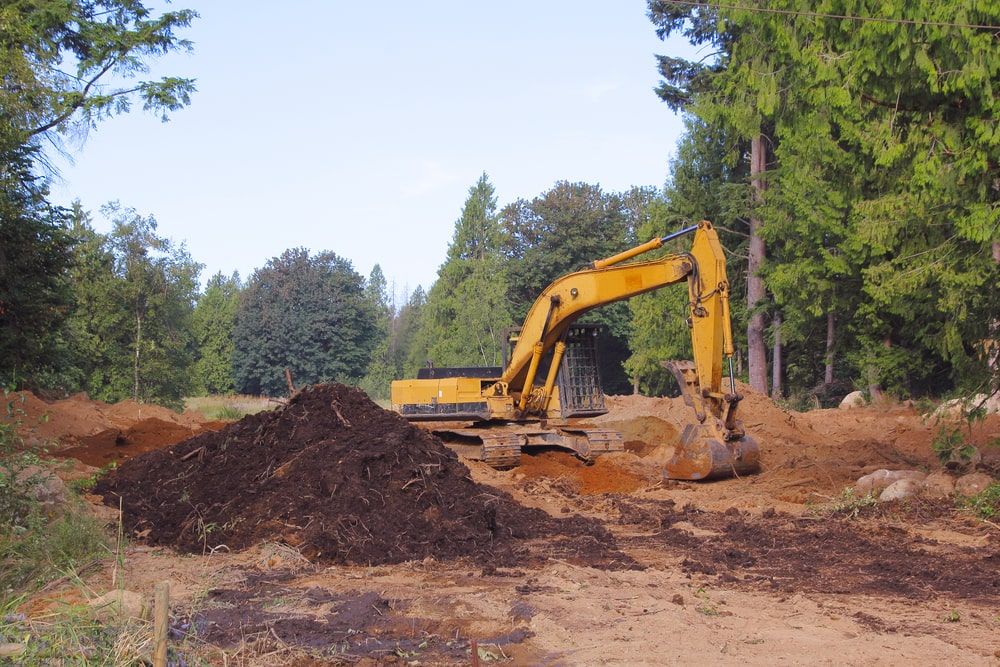
Before work begins, the property owner should contact the utility providers linked to the site to confirm locations. That information should then be shared with every worker on-site before and during the job. This step is critical during land clearing and site preparation, earthmoving, and excavation work.
Now you have a full picture of what site preparation can involve. The next step is to size up your project with a site visit.
Early planning should confirm overall design needs, support requirements, access, drainage, and feasibility factors. This is also the right time to identify practical changes that reduce cost without cutting corners. For commercial site preparation, this step helps confirm staging areas, material routes, and equipment flow.
Cost planning is part of smart construction site prep. Estimates often reflect both the scope of work and site conditions.
In most cases, costs fall into three main categories:
Good planning can reduce wasted time, repeat work, and delays caused by missed details. That is why site preparation in construction should be treated as an investment in a smoother build.
Once plans are finalised, you should receive a clear scope, a cost estimate, and a projected start date. From there, the goal is to complete the remaining steps of site preparation so the site is stable, accessible, and ready for construction.
If you’re ready to move forward with your construction site preparation process, schedule a site evaluation. A walk-through can confirm access, drainage, utilities, and grading needs so your project can start on solid ground.