Upgrading an old parking lot starts with concrete removal and proper site prep. Over time, heavy use and harsh weather cause concrete to crack and shift. This creates safety hazards and drainage problems. The solution is to remove the damaged slab and grade the site correctly. This ensures your new lot will be durable and well-drained.
In this article, we'll explain the concrete removal process and why grading matters. While we focus on commercial projects, these same principles apply to smaller jobs too. From residential concrete removal services to home patios, the process stays the same.
A worn-out concrete lot has cracks, potholes, and uneven sections. These aren't just ugly. They pose tripping hazards and can damage vehicles. Removing and replacing damaged concrete ensures a solid foundation and prevents future issues.

Many parking lot upgrades involve layout changes. You might need to add drainage lines, lighting, or expand the lot. Existing pavement must be removed to access the ground. This gives builders a clean slate for the new design.
Old, uneven pavement may not meet current building codes or ADA requirements. Cracked concrete has poor drainage. You'll see standing water after rain.
By starting fresh, you can re-grade for proper water runoff. A proper slope of 1.5-2% helps water run off instead of pooling (Rose Paving). Water that pools can erode the base and shorten pavement life.
Removing old concrete opens doors to sustainability improvements. You can use lighter-colored concrete to reduce heat. You can add permeable sections that let rainwater soak in. In 2025, recycled and porous materials are popular choices. They help reduce runoff and urban heat.
Every project starts with careful planning. Contractors check the concrete's condition and scope. They locate underground utilities and check for voids under the slab. They note nearby structures that need protection.
You must get demolition permits before starting. In Texas, you need to call utility locator services. Professionals handle these steps and coordinate with local authorities.
Saw cutting along lines to create manageable sections
Hydraulic breakers attached to excavators to fracture slabs
Milling machines to grind off asphalt layers
Jackhammers for thick reinforced concrete
Concrete removal uses different techniques based on the job. For large parking lots, heavy machinery works best. Common methods include:
An experienced crew matches the method to the project. A large excavator works for open lots. Smaller handheld equipment handles tight spaces.
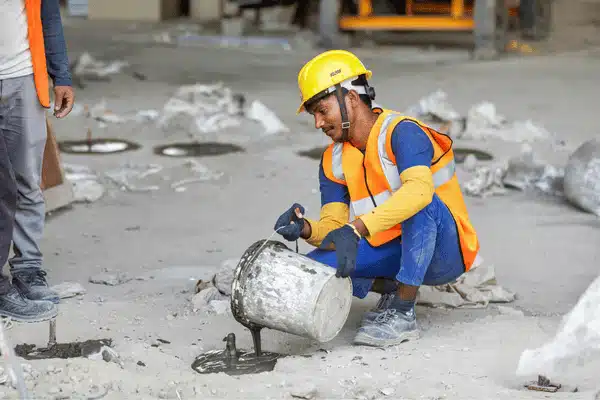
Safety is the top priority during concrete removal. The work area is blocked off with barriers. Crew members wear hard hats, steel-toed boots, gloves, and eye protection.
Breaking concrete creates dust containing silica. Contractors use water misting and vacuum systems to control dust. Workers communicate closely to prevent accidents. They maintain a clean site to avoid slip hazards.
Broken concrete pieces are loaded into trucks or dumpsters. Modern contractors focus on recycling, not landfill dumping. Concrete is one of the most recyclable construction materials. Over 95% of demolished concrete gets recycled into new construction (Okon Recycling).
Crushed concrete becomes base material for new roads and parking lots. It has excellent load-bearing strength and helps with drainage. Steel rebar is separated and sent for scrap recycling. This saves money and helps the environment.
After concrete removal, the site needs proper grading. This means shaping and leveling the ground. Any soft or unsuitable soil is removed or improved.
Crews use bulldozers and graders to create the correct slope. The goal is a gentle slope for water runoff. This is critical because poor drainage causes pavement failure.
The subgrade (soil base) is compacted thoroughly. This increases density and load-bearing capacity. Often, crushed gravel is spread and compacted too. This creates a strong sub-base under the new lot.
In Central Texas, this step matters even more. Our expansive clay soils swell when wet and shrink when dry (Quality Foundation Repair Austin). Contractors may add soil stabilization or drainage layers to prevent problems.
The same best practices apply to smaller home projects. Residential concrete removal services handle jobs like patios and driveway concrete removal services with expert care. The steps remain the same: planning, safe demolition, debris hauling, and grading.
The scale and tools adjust for homes. A driveway concrete removal service might use a skid-steer loader or handheld jackhammers. In tight spaces near houses, contractors use saw-cutting and manual removal methods.
Consider a homeowner wanting old concrete patio removal for new landscaping. The contractor checks for utility lines first. They saw-cut along the house to avoid damage. Then they use a jackhammer to for the old concrete patio removal process to break the patio into chunks.
They haul debris to a recycling facility. Then they grade and level the ground. Even for small jobs, a properly compacted base prevents future cracking.

Homeowners should hire professionals instead of DIY attempts. Concrete demolition is labor-intensive and hazardous. Slabs weigh many tons. Breaking them releases sharp shards and silica dust.
A qualified team brings the right equipment and safety knowledge. They handle disposal responsibly through recycling facilities. Whether it's a commercial lot or backyard project, proper removal sets the stage for success.
The timeline depends on lot size and concrete thickness. A typical commercial parking lot takes 1-3 weeks. This includes removal, debris hauling, and grading.
Yes, over 95% of demolished concrete is recycled. It's crushed and reused as base material. This reduces landfill waste and project costs.
Proper grading ensures water runs off instead of pooling. It creates a stable base for new pavement. Without correct grading, the new lot can crack or develop drainage issues.
Common equipment includes skid-steer loaders, jackhammers, concrete saws, and mini-excavators. The choice depends on project size and access.
Yes, most areas require demolition permits. You also need to call utility locators before starting. Professional contractors handle these requirements.
Costs vary by project size, concrete thickness, and location. Commercial lots typically cost $2-$4 per square foot. Residential projects may have higher per-foot costs due to smaller scale.
Concrete removal and grading are critical for successful parking lot upgrades. These prep stages ensure your new lot has proper drainage and stability. Skipping them leads to premature failures like puddles, settlement, and cracks.
Get Started with Expert Site Preparation
Shilling Excavation offers complete site preparation services in Central Texas. We handle concrete removal and grading for commercial and residential projects. Our team ensures your site has a stable foundation and excellent drainage. Contact us today for a quote on your parking lot upgrade or home concrete project.