Concrete removal is a big task for many Texas homeowners dealing with cracked patios, old driveways, or outdated foundations. Many people think breaking up concrete is just brute-force work. The truth is, concrete removal needs careful planning, proper tools, and strict safety measures. Texas has expansive clay soils that cause foundation cracking and shifting. This means slabs and pads are often under stress. Poor removal can lead to accidents or property damage. This guide explains safe ways to remove concrete slabs, foundations, and pads in Texas.
Before you start any concrete removal work, you need a solid plan. Here's what matters most:

Workers need protective gear for every job:
Pros also set up barriers to contain debris. They use water to control silica dust. They keep bystanders at safe distances. These steps protect everyone on site.
Concrete slab removal requires the right approach and equipment. Here's how professionals tackle patios, sidewalks, and driveways:
For a typical 4-inch-thick patio:
Remember, concrete weighs about 150 pounds per cubic foot. Even small slabs are very heavy. Removing concrete slab sections requires teamwork and machinery.
Industry experts warn that slabs can crack unpredictably. They can also pinch tools and cause injuries. Professionals work one section at a time. They maintain full control throughout the process.
Taking out a concrete foundation is much harder than removing concrete slab pieces. Foundations are thicker and reinforced with rebar. They're also tied deep into the ground.
Some modern crews employ remote-controlled demolition robots. These machines keep the operators safe from falling debris. They became more widespread in the mid-2020s for large jobs.
The idea is to use powerful machines without cutting corners. A collapsing foundation can move tons of material in an instant. Professionals understand how to manage this safely.
After breaking up concrete, proper cleanup is essential. You can't just throw concrete in your trash bin.
According to the Construction & Demolition Recycling Association (CDRA), recycling concrete offers major benefits. It reduces the need for new gravel and rock. It also saves valuable landfill space.
Recycled concrete becomes:
Texas has a strong market for repurposed concrete. Professional crews separate rebar for metal recycling, too.
This keeps storm drains clean and protects neighbors from dust exposure.
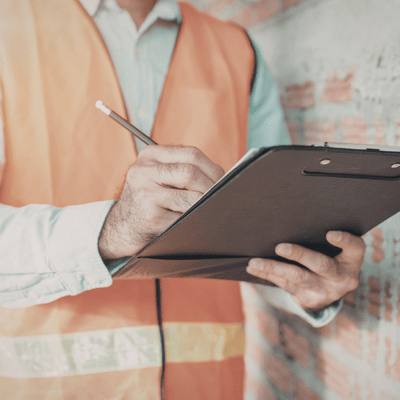
Concrete removal isn't a typical DIY project. It demands strength, skill, and specialized equipment. Here's why professionals make sense:
Key Advantages:
Established contractors also understand Texas conditions. They know about expansive clay soils. They plan for climate factors that affect new construction.
It might seem possible to do a little walkway project. Larger jobs, however, can easily become stressful and dangerous. Experts have the know-how to steer clear of expensive blunders.
Concrete removal is not the only thing that many Texas homeowners require. They may also require site grading or terrain clearance. Your complete project can be coordinated from beginning to end by professional services.
Slab thickness, size, and accessibility all affect costs. The removal of a small patio could cost several hundred dollars. The cost to remove a foundation can reach several thousand dollars.
Rental tools can be used for small jobs like a walkway segment. For safety, larger slabs and foundations require specialized tools and knowledge.
It could take a day to build a tiny patio. It may take several days to remove a large foundation. Size, thickness, and site circumstances all affect the timing.
At processing plants, the majority of contractors recycle concrete. For new construction, driveways, and roads, it is crushed into aggregate. Compared to landfills, this is more environmentally friendly.
Permits are needed for demolition operations in many Texas communities. Depending on the project size and location, different requirements apply. Applications for permits are handled for you by professional services.
Yes, concrete dust contains silica, which can harm your lungs. Professionals use water suppression and respirators. This protects workers and neighbors from harmful dust exposure.
Concrete removal is a significant task that requires a competent team and a well-thought-out plan. Safety should be the top priority, whether you're removing an old foundation, a cracked patio, or a damaged slab.
When it comes to hard site labor, Shilling Excavation offers the kind of experience that counts. With practical experience in excavation, land clearing, site preparation, grading, and trash disposal, this family-run business in Central Texas has been serving the region since 1992. Their staff works carefully, employs specialized equipment, and prioritizes safe, effective outcomes.
Clear the way for your next project with a team that knows how to get it right the first time. Book a free estimate with Shilling Excavation today and put your concrete removal in the hands of a reputable local crew with decades of experience. Call today for a sensible plan, fair pricing, and a safer start for your property.