Removing landscape rocks is a key step for Texas homeowners preparing their property for new use. Old decorative rocks, gravel, and boulders can make your land hard to repurpose and slow down any cleanup project. These stones collect weeds and debris over time. They interfere with drainage and make yard work harder. Whether you're redesigning your yard or prepping for construction, clearing unwanted rocks gives you a clean slate. This guide covers why removing landscape rocks matters, the challenges you'll face, and when to call in professional help for fast results.

Old rock installations lose their appeal over time. Many homeowners choose to clear rocks when:
Removing landscape rocks helps reclaim usable space. Large stones and scattered gravel can occupy areas perfect for a patio, lawn, or building site. According to East Texas Land Clearing, a thorough lot cleanup boosts curb appeal and property value right away. Buyers see the land's potential when it's cleared and ready for use.
While the benefits are clear, removing landscape rocks brings real challenges:
Heavy Lifting and Safety Risks
Landscape rocks weigh more than they look. Small river stones add up fast in weight. Larger boulders can weigh hundreds of pounds. Trying to move big rocks without proper equipment is dangerous. Back strain and injuries are common when using poor lifting techniques.
Embedded and Buried Rocks
Many landscape rocks settle deep into soil over years. They tangle with roots and hide under sediment. Rocks in flower beds often sit on landscape fabric that tears during removal. This creates extra mess and work.
Texas Climate and Terrain
The hot Texas sun makes rock removal exhausting. Heat exhaustion is a real risk during heavy labor. Many Texas regions have natural limestone that's hard to dig out. Hill Country soil can be impractical for planting until rocks are cleared.
Need for Equipment
Some rocks are simply too large to move by hand. Huge boulders require machinery like excavators or skid-steer loaders. Without equipment, you risk injury or won't move the rock at all.
Success in removing landscape rocks depends on using the right tools:
Basic Tools for Small Projects
Flat shovel
Scoops rocks out of soil
Hard rake
Loosens embedded rocks
Wheelbarrow
Transports heavy loads
Heavy-duty gloves and steel-toe boots
Protects from injury
Pry bar
Leverage for large stones
Tarps
Catch stray gravel and pile rocks
For larger projects, rent power equipment. A skid-steer loader speeds up removal on big jobs. According to Hamilton Hauling Texas, many rental centers offer weekend rates on mini-excavators. Always call 811 before digging to mark buried utilities.
Safety First
Follow these tips for safe rock removal:
Work in sections rather than tackling everything at once. Remove rocks when the ground is dry. Wet soil clings to rocks and makes them heavier.
Small rock beds under 200 square feet may work as DIY projects. But landscape rock removal services make sense for larger jobs. Here's why:
Speed and Efficiency
Professional crews with machinery clear in hours what takes you days or weeks. They handle transportation and disposal too. Land clearing and rock removal service teams bring heavy equipment like backhoes and hydraulic rock rakes.
Advanced Techniques
Some Texas contractors offer rock milling. This method grinds bedrock into fine gravel on-site. According to Pierce Land Clearing, rock milling is faster and more cost-effective than traditional removal. It eliminates hauling costs and creates a solid foundation for building.
Safety and Expertise
Professionals know how to avoid underground lines and prevent property damage. They carry insurance and follow safety protocols. In the Texas heat, letting pros handle heavy labor prevents heat stress and injury.
Complete Service
Landscape rock removal services bundle multiple tasks. They remove rocks, brush, and trees in one package. They dispose of everything properly and leave your lot ready for the next phase.
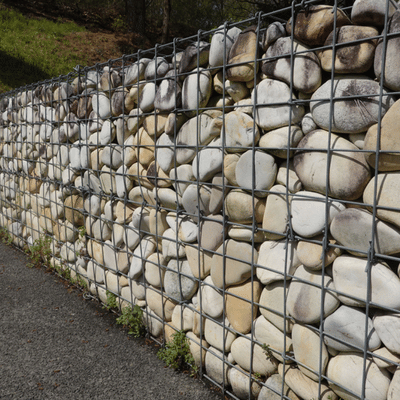
After removing landscape rocks, plan how to handle them:
Never dump rocks illegally. Use proper channels to recycle or dispose of materials responsibly.
Professional landscape rock removal services typically charge $120-$150 per hour for labor. Disposal costs run $50-$200 per cubic yard of rocks. Total costs depend on project size and complexity.
Yes, for small projects under 200 square feet. You'll need basic tools and physical stamina. Larger jobs require heavy equipment and are best left to professionals.
Hiring a land clearing and rock removal service with machinery is fastest. Professional crews complete in hours what takes individuals weeks. They also handle all disposal.
Rock milling grinds bedrock into gravel on-site. Land Crushers reports this method eliminates hauling costs and creates usable base material. It's popular in limestone-heavy Central Texas.
Call pros if you have large boulders, extensive rock coverage, tight deadlines, or health concerns. Professional services ensure safe, fast completion without property damage.
Rocks can be reused on your property, given away free, recycled at transfer stations, or hauled to disposal facilities. Many landscape rock removal services handle disposal as part of their service.
Removing landscape rocks for lot cleanup is achievable with proper planning. Small projects may work as DIY efforts with the right tools and safety measures. Larger jobs benefit from professional expertise and equipment. A land clearing and rock removal service completes the work quickly and safely while handling all disposal. The result is a clean, build-ready lot that's ready for your next project.
Ready for a fast lot cleanup? Contact Shilling Excavation today for expert landscape rock removal services in Central Texas. Our experienced team has the equipment and know-how to clear your property quickly and safely. Get your free quote now and transform your rocky lot into usable space.