
Inspect the Subgrade
Check the exposed soil for weak, soft, unstable, or moisture-damaged areas.
Removing concrete slab surfaces often costs $2 to $7 per square foot for basic removal. Some jobs cost more when hauling, disposal, cleanup, or site repair is included. Homewyse lists higher 2026 prices when setup, debris loading, hauling, and cleanup are part of the job.
The slab is only the first step. After crews remove concrete, the site may need fill, compaction, grading, and drainage work. A trusted site preparation contractor helps turn the cleared area into land that is ready for a driveway, shop pad, building pad, or new outdoor space.
Concrete removal prices depend on what the quote includes. A simple demo price is not the same as a full job with hauling and cleanup.
| Scope | Typical Price | Source |
| Basic slab removal | $2 to $6 per sq. ft. | Angi, 2026 |
| Wider concrete removal range | $2 to $7 per sq. ft. | LawnStarter, 2025 |
| Removal with setup, hauling, and cleanup | $11.47 to $13.99 per sq. ft. | Homewyse, 2026 |
| Concrete disposal | $51 to $100 per ton | LawnStarter, 2025 |
Weight also affects the bill. FHWA guidance uses about 145 pounds per cubic foot for normal concrete. That means a 500-square-foot slab, 4 inches thick, can weigh about 12 tons before rebar.
The best way to compare bids is to check the scope line by line.
Common price factors include:
Ask each contractor if saw-cutting, steel removal, trucking, disposal costs, cleanup, and final grading are included in the price.
A safe crew follows a clear process before breaking concrete.
Do not skip the utility check. Removing concrete slab near gas, water, power, or sewer lines can turn dangerous fast.
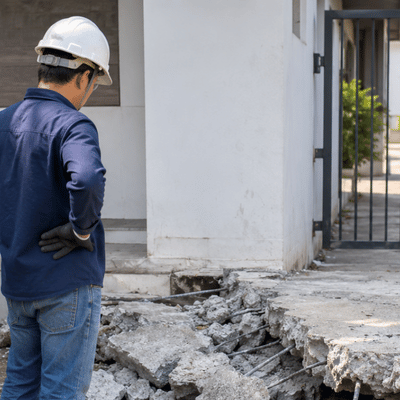
It's possible that the exposed earth isn't prepared for fresh work. Soft soil, inadequate fill, roots, cavities, and drainage problems can all be concealed by old slabs.
Check the exposed soil for weak, soft, unstable, or moisture-damaged areas.
Replace soil that was removed, washed away, or affected by settlement.
Compact each fill layer to improve stability and reduce future sinking.
Establish the required elevation and slope for a pad, driveway, or slab.
Shape the site so water flows away from buildings and prepared surfaces.
A contractor for site preparation will frequently:
Long-term pavement performance is impacted by subgrade and drainage characteristics, according to FHWA. Additionally, Building America advises sloping soil away from foundations wherever feasible. This is significant in Central Texas, where Blackland soils are described by the Texas Almanac as clay soils that expand and contract.
Shilling Excavation provides site clearing, land grading, excavation, and building site prep in Central Texas. The team has served local property owners since 1992 and helps prepare land for safe use.
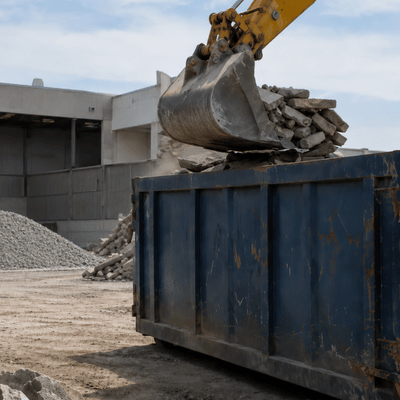
Yes. Clean concrete can often be recycled or reused. The EPA says the U.S. generated 600 million tons of construction and demolition debris in 2018. Demolition made up more than 90% of that total.
Recycled concrete may be used as fill, subbase, or driveway bedding. Reuse can reduce disposal needs and lower the need for new base material. Ask your contractor if your concrete can be recycled, crushed, or reused on-site.
Most driveway removal jobs fall between $2 and $7 per square foot. Thick, reinforced, or hard-to-reach driveways can cost more. Hauling, disposal, and grading may also raise the final price.
The City of Waco says private property flatwork, such as driveways, does not require a permit. Work in the city right-of-way does require a right-of-way permit. Always check local rules before work starts.
You can sometimes build over a sound slab. Removal is better when the slab is cracked, uneven, too high, or holding water. A contractor can inspect the concrete and soil before you choose.
You may be able to remove concrete from a small, thin patio. Large, thick, reinforced, or post-tensioned slabs should be handled by a pro. You still need a Texas 811 locate request before digging.
Many simple residential slabs can be removed in one to two days. Access, thickness, rebar, and hauling distance can change the schedule. Backfill, compaction, and grading may add more time.
A clear quote should list cutting, breaking, loading, hauling, disposal, and cleanup. It should also say if fill, compaction, grading, or drainage work is included. This helps you compare prices fairly.
Removing concrete slab areas clears the way for your next project. The next steps are just as important as the demolition. Good fill, compaction, grading, and drainage help protect the new driveway, pad, or structure.
Ready to remove old concrete and get your land build-ready? Contact Shilling Excavation today to get a free quote.